 Stephanie Cypert
 Starting Your Journey at the Best Acting Schools in New York

The first day of a drama class is a crucial opportunity to set the tone for the rest of the course. A well-organized and engaging start can energize your students and help them feel comfortable, motivated, and inspired. Below are structured steps and strategies to ensure your first day runs smoothly and effectively.
Create an Inviting Atmosphere
An inviting atmosphere helps students feel welcome and at ease. Many students may arrive feeling nervous or unsure about what to expect, so it’s important to establish an environment that promotes openness and creativity.
- Greet each student warmly as they arrive.
- Arrange the room in a way that encourages interaction (e. g. , circle seating rather than rows).
- Play light, upbeat music as they enter to ease tension.
- Provide name tags or cards, especially if this is a new group.
Start with Icebreaker Activities
Icebreakers are essential in helping students get to know one another while reducing their initial anxiety. For drama classes, focus on activities that encourage movement, collaboration, and self-expression.
- Name Game: Each student introduces themselves by saying their name along with a movement or gesture. The group then repeats both their name and action.
- Pass the Emotion: Have students sit in a circle. Begin by expressing an emotion (e. g. , joy or anger) through facial expressions and body language before passing it to the next person in the circle.
Establish Class Expectations
It’s important to clearly outline expectations for behavior, participation, attendance, and respect from day one. Doing so ensures everyone understands what is required for success while fostering mutual respect within the group.
- Punctuality: Encourage timeliness for rehearsals and performances.
- Participation: Emphasize that all voices matter regardless of skill level.
- Respect: Highlight respect for others’ space, ideas, and emotions during exercises.
- Safety: Stress the importance of physical safety during movement-based activities.
You could also post these expectations on a visible noticeboard in your classroom or distribute them as handouts for future reference.
Introduce Core Concepts Through Fun Activities
Even if it’s just day one, introducing basic drama concepts can lay an early foundation for learning. Consider incorporating activities that explore voice projection, body movement, improvisation skills, or storytelling basics.
| Activity | Objective | Instructions |
| Zip-Zap-Zop | Focus & teamwork | Students pass imaginary energy by saying “Zip,” “Zap,” or “Zop” in sequence |
| Tableaux Creation | Explore stillness & emotion | Groups create frozen “pictures” depicting scenes/emotions without speaking |
| Mirroring | Build awareness of body language & connection | Pairs mirror each other’s movements silently |
Introduce Yourself as Their Guide
Students will look up to you not only as their teacher but also as someone who inspires them creatively. Share your background briefly—your passion for acting or teaching drama—and what you hope they’ll gain from the class. Be approachable yet professional.
“Drama offers us endless possibilities for growth—whether it’s building confidence, mastering communication skills, or simply exploring new parts of ourselves.
End on a High Note
Wrap up your first session with positive energy by summarizing key moments from class (e. g. , “Today we learned how fun teamwork can be”). Preview what’s coming next while encouraging excitement about future lessons.
- Allow time for questions/feedback at the end.
- Thank everyone sincerely for giving their energy during class.
By thoughtfully planning your first session around inclusivity and engagement while introducing structure early on—you set yourself up as well-respected mentor capable of fostering meaningful artistic growth throughout weekly lessons ahead
Uncover Why Acting Classes NYC Are Captivating for Aspiring Performers
Understanding why students are drawn to acting is a crucial step in fostering their growth and helping them unlock their full potential. Acting is not just about performing; it is an art form that allows individuals to express themselves, connect with others, and explore different aspects of humanity. Below, we will explore some common reasons why students may feel compelled to step into the world of acting and how these motivations can shape their journey.
Discover the Top Reasons to Enroll in NYC Acting Classes
- Many students are drawn to acting because it provides an outlet for self-expression.
- Through acting, they can communicate emotions and ideas that may otherwise be difficult to articulate.
- It allows them to explore parts of themselves in a safe, creative space.
- The love of stories and storytelling often inspires individuals to pursue acting.
- They have a desire to bring characters and narratives to life on stage or screen.
- This passion also connects them with audiences on a deeper level.
- Acting offers an opportunity for students to momentarily step away from their personal lives and immerse themselves in fictional worlds.
- This escapism can be therapeutic as they channel energy into becoming someone else for a moment in time.
- Many aspiring actors are motivated by the connections they form with other performers and audiences alike.
- Acting fosters collaboration, teamwork, and shared experiences that can be deeply fulfilling.
- For some students, acting represents an avenue for developing confidence, communication skills, and emotional intelligence.
- Performing pushes them out of their comfort zones and helps build resilience.
Top Ways New York Acting Schools Inspire Student Motivations
Understanding the diverse reasons why students are drawn to acting enables drama teachers to create an inclusive environment where all aspirants feel valued and supported: actingclassesnyc.org
- Encourage Self-Exploration:Provide exercises focused on character development or emotional truth so students can learn more about themselves through performance.
- Celebrate Storytelling:Develop lessons around constructing narratives or interpreting scripts so that storytelling takes center stage.
- Provide Escapist Opportunities:Allow room for improvisation or creative play where students feel free from judgment while embodying different roles.
- Foster Collaboration:Implement group projects such as ensemble scenes or partner exercises that emphasize connection over competition.
- Promote Personal Development:Offer constructive feedback aimed at improving skills while building self-confidence in each student’s abilities.
Motivations and Activities for Aspiring Actors with an Acting Coach New York
| Motivation | Suggested Activities | Benefits |
| Self-Expression | Monologue practice | Builds emotional range & exploration |
| Storytelling Passion | Script analysis & scene performances | Strengthens narrative comprehension |
| Escapism | Improvisational games | Encourages creativity without constraints |
| Connection | Ensemble-based work | Fosters teamwork & mutual respect |
| Personal Growth | Constructive performance critiques | Boosts confidence & resilience |
By understanding these motivations, teachers not only help nurture talent but also create an enriching environment where every student feels supported in their unique journey toward mastery in acting.
Discovering Why Your Students Are Drawn to the World of Acting
Understanding the motivations behind why students pursue acting can help drama teachers create a more engaging and effective learning environment. Every student enters the world of acting with unique goals, desires, and inspirations. Recognizing these motives is crucial for fostering their growth, confidence, and creativity. Below is a detailed exploration of some common reasons students are drawn to acting and how educators can address them effectively.
Common Motivations for Pursuing Acting
- Many students are attracted to acting because it provides an outlet for expressing their thoughts, feelings, and creativity in ways they may not feel comfortable doing otherwise.
- Drama allows them to explore emotions and gain a deeper understanding of themselves.
- Some individuals are naturally drawn to storytelling – immersing themselves in characters, plots, and narratives that captivate audiences or convey meaningful messages.
- Acting offers the opportunity to embody stories and bring them to life on stage or screen.
- For many aspiring actors, taking up drama classes is a way to overcome shyness or social anxiety.
- The structured environment of an acting class gives them a safe space to take risks and gradually build self-assurance.
- Some students see acting as more than just an extracurricular activity but rather as a lifelong passion or potential career path.
- They may be inspired by famous actors or dream of performing on big stages or in movies.
- Acting classes often attract those who enjoy teamwork and collaboration.
- Drama fosters camaraderie through exercises like ensemble work, improvisation games, and joint performances.
- Acting allows students to step into another character’s shoes temporarily – escaping their own reality while exploring different perspectives.
How Teachers Can Support These Motivations
- Engage in Open Dialogue:Begin each term by asking your students what drew them to acting. Understanding their personal goals will allow you to structure lessons that resonate with individual needs.
- Encourage Self-Discovery:Incorporate exercises that promote introspection (e. g. , journaling as a character or analyzing emotional scenes). This helps students connect with material on a deeper level while encouraging self-awareness.
- Foster a Safe Space:Create an inclusive environment where all personalities – introverts and extroverts alike – feel supported during performances or practice sessions.
- Provide Varied Opportunities:Offer activities that cater to multiple interests: improvisation games for creative thinkers; monologues for those seeking refinement; group scenes for team-oriented learners.
A Table of Teaching Strategies
| Motivation | Teaching Strategy |
| Self-expression | Assign roles that challenge emotional range; encourage reflective discussions |
| Love for storytelling | Use scripts from diverse genres; analyze story arcs together |
| Building confidence | Gradually increase performance difficulty; provide constructive feedback |
| Pursuit of passion | Share industry insights; organize mock auditions |
| Community & collaboration | Emphasize ensemble work; assign collaborative projects |
| Escapism & exploration | Explore diverse characters/settings through role-play |
By identifying why your students are drawn to acting early on—and aligning lessons accordingly—you can nurture their enthusiasm while fostering personal growth both onstage and offstage.
Tips for Drama Teachers to Set Clear Class Expectations for Success
Establishing clear expectations is essential for creating a structured and productive drama class. When students understand what is expected of them, they are more likely to feel confident, stay engaged, and grow as performers. Below are actionable tips for drama teachers to set the foundation for success in their classes.
Communicate Your Goals Early
Start by outlining your goals for the class during the first session.
- Vocal techniques: Articulation, projection, and breathing exercises.
- Movement skills: Body language, spatial awareness, and stage presence.
- Emotional expression: Techniques to portray authentic emotions on stage.
- Collaboration: Building trust and working effectively with scene partners or ensembles.
By sharing these goals early on, you give your students a clear understanding of what they will achieve by the end of the course.
Create a Written Code of Conduct
A written code of conduct serves as both a guideline and contract between you and your students.
- Respect for peers and instructors.
- Active participation in exercises and rehearsals.
- Punctual attendance at all sessions.
- Proper handling of props, costumes, or technical equipment.
This document helps set professional standards while fostering mutual respect within the classroom environment.
Use a Syllabus or Roadmap
Provide your students with a syllabus or learning roadmap at the start of your program.
| Week | Topic/Activity | Objective |
| 1 | Icebreaker Games | Build trust among classmates |
| 2 | Voice Projection Exercises | Develop strong vocal delivery |
| 3 | Character Development | Explore deep emotional connections |
| 4 | Scene Study | Practice collaborative performance skills |
Having this structure reassures students that their time will be used productively while giving them clarity on what lies ahead.
Set Performance Benchmarks
Provide measurable benchmarks so that students can track their progress over time.
- Memorizing lines without prompts by specific deadlines.
- Successfully improvising scenes with minimal preparation.
- Delivering monologues with emotional depth during assessments.
Clear benchmarks offer motivation while helping students take ownership of their improvement journey.
Foster Open Communication
Encourage open dialogue with your students about class expectations. Schedule regular check-ins where they can ask questions or provide feedback about their experience. These discussions help ensure that everyone remains aligned while showing that you value their input.
Address Challenges Proactively
Anticipate potential challenges like stage fright or interpersonal conflicts within group work. Outline how you plan to address these issues upfront.
- Nervous performers can practice mindfulness techniques before performing.
- Group disagreements can be resolved through guided mediations led by the teacher.
Acknowledging possible hurdles demonstrates empathy while reinforcing your commitment to student success.
By implementing these strategies when setting expectations, you create an environment where aspiring actors feel motivated to learn and grow professionally in their craft.
The Importance of Building Connections with Aspiring Actors in Your Class
Building meaningful connections with aspiring actors is a cornerstone for fostering an engaging and supportive drama class environment. These relationships not only create a sense of trust but also allow students to feel more confident in exploring their creative potential. Below are ways to establish and nurture these connections effectively.
Why Building Connections Matters
- Trust and Comfort: Students are more likely to take creative risks when they trust their instructor and peers.
- Increased Engagement: A connected classroom encourages active participation and collaborative growth.
- Personalized Support: Understanding each student’s unique needs allows teachers to provide tailored guidance.
- Motivation and Retention: Strong connections inspire students to stay committed to their craft.
Strategies for Building Connections
- Conduct introductory activities where students share their experiences, interests, and acting goals.
- Take note of individual strengths, weaknesses, and any reservations they may have about performing.
- Set aside time during or after class for one-on-one check-ins with students.
- Encourage feedback from students about the class structure, activities, or areas they’d like to focus on in future sessions.
- Incorporate group exercises that require collaboration, such as improvisation games or scripted scene work.
- Rotate partners frequently so students interact with different classmates regularly.
- Show empathy and vulnerability; this demonstrates that it’s okay to make mistakes while learning.
- Share personal anecdotes from your own acting journey that highlight both triumphs and challenges.
Activities That Strengthen Connections
| Activity | Description |
| Name Games | Use fun name-based exercises (e.g., alliteration games) to break the ice. |
| Emotional Mapping | Ask students to share emotions tied to particular roles or moments in life. |
| Trust Exercises | Practice trust falls or blindfolded partner walks for building confidence. |
| Group Improvisation | Encourage teamwork through collaborative story-building exercises. |
| “Why I Love Acting” Circle | Have each student reflect on what inspires them about acting. |
Common Challenges & How To Address Them
- Shy or Reserved Students
Some students may be hesitant to open up initially. Approach them gently by pairing them with supportive peers or assigning low-pressure tasks until they gain confidence. - Diverse Skill Levels
If skill gaps exist within the group, assign projects where beginners can learn from more experienced classmates without feeling intimidated. - Conflict Management
Occasionally, tensions may arise between students during group work. Address such issues promptly by mediating discussions focused on teamwork and mutual respect.
Long-Term Benefits of Connection-Building
By prioritizing relationships within your drama class, you cultivate an atmosphere where aspiring actors thrive emotionally, creatively, and professionally. These bonds leave a lasting impact on their growth as performers while enriching the overall classroom experience for everyone involved.
How Aspiring Actors Can Embrace Growth Through Drama Education
Drama education serves as a powerful platform for aspiring actors to cultivate their craft, develop confidence, and explore creative possibilities. By embracing the lessons and experiences it offers, students can grow not only as performers but also as individuals. Below are key ways in which drama education fosters growth and practical strategies for actors to make the most of this journey.
Drama requires actors to tap into emotions, understand human behavior, and portray characters with authenticity. This process encourages self-reflection and emotional awareness.
- Body Language Mastery: Acting helps students recognize the subtleties of nonverbal communication through posture, gestures, and facial expressions.
- Empathy Building: By stepping into different characters’ shoes, students learn to see the world from various perspectives.
- Voice Modulation: Actors gain control over their voice tone, pitch, and volume to express emotions effectively.
Performing in front of an audience can be daunting at first. However, regular practice builds self-confidence over time.
Ways aspiring actors can build confidence include:
– Participating in class improvisation exercises to stay comfortable with spontaneity.
– Rehearsing lines until they feel natural and authentic.
– Taking constructive feedback from teachers or peers without fear of judgment.
Acting is rarely a solo endeavor; it thrives on collaboration within an ensemble cast or group projects.
- Team Dynamics: Working with others on scenes teaches collaboration toward a shared creative vision.
- Active Listening: Actors must listen intently during dialogues or group exercises to respond organically.
- Adaptability: Adjusting one’s performance based on group needs or changing direction enhances flexibility.
| Skill | Benefit in Acting |
| Teamwork | Builds trust within a cast |
| Communication | Enhances clarity during rehearsals |
| Problem Solving | Overcomes creative roadblocks |
Drama education encourages thinking outside the box when interpreting scripts or creating original work.
To grow creatively:
– Experiment with different acting styles (e. g. , method acting vs. classical approaches).
– Explore unfamiliar genres such as comedy if primarily experienced in drama—and vice versa.
Constructive criticism is a cornerstone of growth in drama education.
Tips for using feedback effectively:
1. Actively seek input from mentors after performances or rehearsals. 2. Separate personal feelings from professional critique by focusing on areas needing improvement. 3. Reflect on feedback received before planning actionable changes applicable during next practice sessions!
By embracing these principles fully+ consistently engaging w learning process ,aspiring studentactors ensure steady progress both skill-depth personal development.
- Starting Your Journey at the Best Acting Schools in New York
- Comparing Acting Schools in New York: Private Coaching vs. Group Classes for Aspiring Actors
- New York Acting Schools vs Acting Classes vs Workshops – A Comprehensive Guide to Choosing the Right Path
- 5 Things You Should Know About Acting Schools in New York
- What to Consider When Choosing the Right Acting Schools in New York or Professional Coach
- The Best NYC Acting Classes for Beginners to Build a Strong Foundation
- How to Get Started in Acting the Right Way with Acting Schools in New York
- The Ultimate Beginner’s Guide to New York Acting Schools: How to Prepare for Your First Acting Class
- Top Acting Schools in New York: Do You Need a Degree to Start Your Career?
Comparing Acting Schools in New York: Private Coaching vs. Group Classes for Aspiring Actors

When embarking on an acting journey, one of the most critical decisions aspiring actors must make is choosing between private coaching and group acting classes. Both options offer distinct advantages, and selecting the right approach depends greatly on individual goals, learning preferences, and career aspirations.
Benefits of Private Coaching
- Individualized Attention: Coaches can dive deeply into an actor’s unique style, helping them refine their craft in ways not possible in a larger class setting.
- Flexible Scheduling: Unlike group sessions, private coaching can often be scheduled at convenient times for the student.
- Focused Skill Development: Whether it’s perfecting monologues or audition techniques, private sessions allow actors to hone specific skills relevant to their career goals.
- Faster Progression: Due to the high level of attention and customization, actors may experience faster improvements compared to group settings.
| Pros of Private Coaching | Description |
| Tailored Feedback | Direct focus on individual strengths/weaknesses |
| Personalized Training Plans | Lessons customized to align with career objectives |
| Flexible Timing | Sessions scheduled around personal availability |
However, it’s worth noting that private coaching often comes with higher costs and limits opportunities for collaborative growth.
Benefits of Group Acting Classes
- Collaboration Skills: Working alongside peers mirrors real-world acting scenarios where ensemble performance is critical.
- Learning from Others: Observing classmates experiment with techniques or navigate challenges can be an invaluable learning experience.
- Diverse Perspectives: Exposure to different styles and interpretations broadens an actor’s toolkit.
- Cost-Efficiency: Group classes are generally more affordable than private lessons while still providing professional guidance.
| Pros of Group Acting Classes | Description |
| Ensemble Building | Teaches teamwork and chemistry essential for stage/screen work |
| Peer Inspiration | Opportunity to learn from fellow classmates’ successes or struggles |
| Networking | Builds connections within the acting community |
Choosing What Works Best for You
- Consider private coaching for its focused preparation.
- Group classes will build these essential interpersonal skills.
- Group sessions may provide cost-effective access to high-level instruction while exposing you to varied perspectives.
Both paths carry significant value depending on your goals as an actor. Many professionals ultimately adopt a hybrid approach—combining private sessions with group workshops—to gain the best of both worlds over time.
Discover the Benefits of Acting Classes NYC: Guidance and Collaboration for Growth
Many aspiring actors romanticize the idea of self-taught success, envisioning themselves mastering their craft through sheer determination and hours of individual practice. While personal effort is an indispensable part of an actor’s journey, navigating the complexities of acting without guidance or collaboration can be a limiting approach. Growth in acting often flourishes through structured mentorship, constructive feedback, and collaborative opportunities that solo practice cannot fully replicate.
Overcoming the Challenges of Solo Learning with NYC Acting Classes
- Lack of Constructive Feedback: You may not recognize bad habits or subtle mistakes without an external perspective.
- Limited Exposure to Diverse Techniques: Self-learning often narrows your focus to what you already know or feel comfortable exploring.
- Absence of Collaborative Energy: Acting thrives on interaction — rehearsals with others help develop timing, chemistry, and active listening skills essential for dynamic performances.
- Difficulty Gauging Progress: Without benchmarks provided by experienced mentors or peers, it can be hard to identify where you truly stand as an actor.
Discover the Benefits of Guidance from Mentors and Coaches at New York Acting Schools
- Personalized Feedback: Coaches can pinpoint areas for improvement and help you refine your technique.
- Career Insights: Mentors offer industry knowledge, audition tips, and strategies to navigate the entertainment world effectively.
- Structured Practice: Regular sessions create accountability and consistency in developing your craft.
| Benefit | Solo Learning | Professional Guidance |
| Feedback Quality | Limited (self-assessment) | Tailored and professional |
| Exposure to New Skills | Restricted | Broadens through expert input |
| Progress Tracking | Unclear | Clear benchmarks |
Finding the Right Acting Coach New York for Growth and Collaboration
- You learn how to respond authentically to others’ energy and choices.
- You develop improvisational skills by adapting to unexpected changes during performances.
- You improve communication skills essential for building rapport with directors, crew members, and fellow actors.
Group dynamics also foster creativity by exposing you to diverse perspectives — pushing you out of your comfort zone while helping you discover fresh approaches.
Why Balance Is Key
While individual practice helps build discipline and focus on specific techniques (like voice work or memorization), pairing this with external guidance ensures well-rounded development. A balanced approach combining solo effort with collaborative training ultimately provides aspiring actors the tools they need not only to improve but also thrive in a highly competitive field.
Group Acting Classes: How Ensemble Training Builds Stronger, More Versatile Performers
Group acting classes are a cornerstone of professional actor training, offering a unique environment that fosters collaboration, creativity, and growth. They provide aspiring actors with the tools to develop critical ensemble skills while honing individual craft. This section explores how group classes contribute to forming stronger, more versatile performers.
The Benefits of Group Acting Classes
- Collaboration Skills
Acting is rarely a solitary art form. In most professional settings—whether on stage or screen—actors work as part of an ensemble. Group classes simulate real-world scenarios by requiring students to collaborate with peers to create authentic and engaging performances. - Character Development Through Interaction
Engaging with others in scenes helps actors explore their characters in greater depth. Partner work, for example, allows performers to focus on developing relationships between characters and understanding subtext. - Expanding Emotional Range
Working in an ensemble challenges actors to adapt their emotional responses based on the dynamics of the group or scene. This flexibility is essential for portraying complex characters and relationships. - Building Confidence in Front of Others
Performing regularly in front of classmates can help actors grow more comfortable under pressure—an essential skill for auditions and live performance.
Skills Enhanced Through Ensemble Training
| Skill | Why It Matters | How Group Classes Help |
| Active Listening | Critical for authentic dialogue delivery | Exercises like improvisation sharpen listening |
| Teamwork | Essential for collaborative storytelling | Ensemble work promotes trust-building |
| Adaptability | Needed when responding to scene partners’ choices | Dynamic scenes explore flexibility |
| Communication | Vital for expressing ideas and emotions effectively | Feedback from peers improves clarity |
Exercises Commonly Used in Group Acting Classes
- Mirror Exercises
These activities involve two actors mimicking each other’s movements without speaking. They encourage attentiveness and foster non-verbal communication. - Improvisation Games
Improvisation helps actors respond intuitively to unexpected moments, teaching adaptability and keeping performances fresh. - Scene Study with Partners
Actors analyze scripts together, exploring character relationships while practicing dialogue delivery within a collaborative setting. - Role Reversal Exercises
Swapping roles during rehearsals allows actors to see scenes from different perspectives while enhancing empathy for fellow performers’ challenges.
Long-Term Impact on Careers
- Casting directors frequently prioritize versatile performers capable of working well within ensembles.
- Directors value actors who can listen actively, respond instinctively, and contribute positively to team dynamics.
- Working collaboratively fosters networking opportunities with peers who may become future colleagues or collaborators within the industry.
Ultimately, group acting classes cultivate well-rounded artists capable of thriving in both ensemble settings and individual roles—a crucial combination for long-term success in the entertainment industry.
Acting Techniques You Can’t Master Alone: Why Professional Training is Essential
Acting is often seen as a deeply personal and introspective art form, but the journey to mastering it requires more than individual effort. While self-study and practice are important, certain acting techniques demand external guidance, structured exercises, and collaborative environments to truly develop. Here’s why professional training is indispensable for aspiring actors.
Complex Techniques That Require Expert Guidance
- Meisner Technique: This approach focuses on emotional truth and spontaneous reactions. It relies heavily on partner work and the guidance of a skilled instructor to ensure authenticity.
- Stanislavski’s System: Known for its focus on psychological realism, mastering this technique requires a teacher who can help actors break down scripts, identify objectives, and create layered characters.
- Alexander Technique: Aimed at improving posture and breath control for better stage presence, this method needs professional correction to prevent improper habits.
- Improvisation: While fun in solo practice, improv training thrives in group settings with peers and instructors who offer constructive critique.
Without expert input, these methods risk being misapplied or underdeveloped.
The Role of Collaboration in Skill Development
- Practicing scenes with others fosters authentic reactions and builds relational dynamics that solo rehearsals can’t replicate.
- Instructors provide insights into timing, chemistry between performers, and effective storytelling.
- Professional classes allow actors to perform in front of others who may offer fresh perspectives.
- Receiving constructive criticism helps identify blind spots in performance.
- Working alongside classmates from various backgrounds introduces new approaches to acting.
- Watching different styles in action broadens one’s artistic repertoire.
Personal Growth Beyond Technique
- Building Resilience: Regular feedback can toughen actors against rejection in auditions.
- Learning Industry Standards: Training institutions teach professionalism—like punctuality on set or proper etiquette during rehearsals—that self-study cannot replicate.
- Networking Opportunities: Classes provide connections with instructors, casting directors, or like-minded peers who can support future career steps.
| Aspect | Self-Teaching | Professional Training |
| Feedback | Limited (self-assessment only) | Expert guidance from instructors |
| Collaboration | Rare | Frequent opportunities with peers |
| Access to Resources | Minimal | Comprehensive (studios/scripts) |
| Networking | None | Exposure to industry professionals |
Why Self-Taught Actors Face Barriers
- Limited understanding of advanced concepts like subtext or emotional layering.
- Lack of accountability without structured schedules or external pressures.
- Difficulty breaking bad habits without corrective feedback.
While determination is valuable for any actor’s growth journey, professional training ensures that potential isn’t hindered by preventable obstacles.

Why Your Acting Career Depends on Ensemble Training and Collaborative Skills
Ensemble training and collaborative skills are critical for actors looking to build sustainable and successful careers in the entertainment industry. While solo practice and individual performances have their place, acting is inherently a collaborative craft. Whether you’re performing on stage or in front of a camera, your ability to connect with others, adapt in group settings, and contribute to a shared creative vision can significantly impact your career trajectory.
The Importance of Ensemble Training
- Developing Chemistry: Audiences can sense when actors share authentic chemistry. Ensemble work helps you learn how to foster genuine connections with your scene partners.
- Improving Listening Skills: Great acting relies on listening as much as speaking. Ensemble training sharpens your ability to react authentically to others’ choices.
- Building Versatility: Working in a group exposes you to diverse perspectives, approaches, and styles, broadening your range as an actor.
How Collaborative Skills Set You Apart
Collaboration is at the heart of any successful production. From rehearsals to final performances, being able to work effectively with directors, writers, fellow actors, and crew members defines professionalism in this field.
- Adaptability
Being open to new ideas and directions is crucial during rehearsals or when a director adjusts the vision mid-project. - Empathy
Understanding your character’s relationships requires emotional intelligence and an ability to step into someone else’s perspective—both essential for harmonizing with an ensemble. - Conflict Resolution
Creative differences are common in artistic projects. Actors who can handle disagreements constructively earn respect from collaborators.
| Skill | Why It Matters | Example |
| Adaptability | Flexibility ensures you can adjust quickly | A director changes blocking mid-rehearsal |
| Empathy | Strengthens character relationships | Understanding another actor’s motivation in a scene |
| Conflict Resolution | Maintains harmony within the team | Addressing disputes over scene interpretation respectfully |
Real-World Applications of Collaborative Acting Skills
- Film & Television Sets: On-screen performances often require close interactions with co-stars or reacting naturally amidst group dynamics.
- Theater Productions: Stage work demands precise timing with ensembles for choreography or overlapping dialogue delivery.
- Improv Settings: Improv exercises rely heavily on trust among performers; these experiences teach quick thinking while supporting others’ creativity.
Benefits for Career Longevity
Producers and directors favor actors who exhibit strong interpersonal skills alongside talent because they contribute positively to the overall production environment. Teams that function well together create better art—and ultimately attract larger audiences or critical acclaim.
Investing time in developing ensemble skills not only enriches your craft but also improves how others perceive working with you professionally—qualities that open doors in competitive industries like film, television, and theater alike.
Choosing the Best Path for Aspiring Actors: Summer Acting Programs vs Year-Round Training
When deciding on the ideal path for acting training, aspiring actors often weigh the merits of summer acting programs against year-round training. Both options have their unique benefits and challenges, and choosing between them largely depends on your goals, availability, and learning style. Here’s an in-depth look at both paths to help you make an informed decision.
The Benefits of Summer Acting Programs
Summer acting programs are an intensive way to develop skills in a short time frame. These programs are designed to provide immersive experiences that often cater to individuals with limited availability or those seeking focused training during the summer months.
Key Advantages: – Time Efficiency: Summer programs typically last 4-12 weeks, making them suitable for students or professionals with existing commitments. – Networking Opportunities: Students can connect with peers, established actors, and industry professionals within a compressed timeline.
– Specialized Focus: Many summer programs offer targeted workshops like Shakespearean performance, improvisation, or audition techniques.
| Pros of Summer Programs | Description |
| Short-Term Commitment | Ideal for those who can’t commit to year-long schedules |
| Immersive Training | Allows participants to focus intensely over a few weeks |
| Industry Connections | Often led by experienced instructors from major markets |
However, these programs can sometimes feel rushed due to their condensed nature. Additionally, they may not cover foundational skills in depth compared to longer-term options.
The Value of Year-Round Training
Year-round acting training provides a comprehensive approach by focusing on gradual skill development over time. This option is ideal for aspiring actors who want a more structured learning environment.
Key Benefits: – Consistent Growth: Training spread over several months allows actors to refine specific skills without feeling pressured by time constraints. – Deeper Curriculum: Year-long courses often include a broader range of topics such as voice coaching, movement techniques, script analysis, and advanced character development. – Stronger Relationships: Spending more time with instructors and peers helps build lasting connections and collaborative opportunities.
| Pros of Year-Round Training | Description |
| Structured Learning Environment | Offers a stable schedule for continuous improvement |
| Comprehensive Curriculum | Covers both basic techniques and advanced performance skills |
| Long-Term Mentorship | Provides access to guidance throughout different stages |
The drawback for some is the extended commitment required. It may also be less practical for individuals balancing work or other obligations.
Deciding Which Option is Right for You
To determine whether a summer program or year-round training suits your needs best: 1. Evaluate Your Goals: Are you looking for quick skill-building or long-term development? 2. Consider Your Schedule: Can you dedicate consistent time throughout the year or only during specific periods? 3. Assess Your Budget: Summer programs might involve travel expenses but are shorter; year-round classes may require ongoing financial investment. 4. Look at Program Content: Do the offered courses align with your interests (e.g., film acting versus theater)?
Ultimately, both types of training have the potential to shape your career if selected wisely based on personal circumstances. What matters most is finding an option that aligns with your aspirations while supporting steady growth as an actor.
How Professional Actor Training Programs Shape Successful Careers in the Entertainment Industry
The entertainment industry is highly competitive, and actors must continuously refine their craft to succeed. Professional actor training programs play a critical role in developing the skills, discipline, and resilience required for a thriving acting career. These programs provide structured guidance that cannot be easily replicated through self-study or casual practice.
The Benefits of Professional Training Programs
- Comprehensive Skill Development: Acting involves more than just delivering lines. Professional programs teach foundational techniques such as voice modulation, body language, improvisation, and emotional expression.
- Industry Connections: Many professional programs are led by experienced instructors with deep ties to the entertainment world. These connections can open doors to auditions, mentorships, and future opportunities.
- Constructive Feedback: Instructors provide personalized critiques to help actors identify strengths and areas for growth. This feedback is invaluable for honing one’s craft.
- Networking Opportunities: Students often work closely with peers who may become collaborators in future projects or provide support within the industry.
Core Components of Successful Actor Training Programs
| Component | Description |
| Scene Study | Focused training on portraying characters authentically within scripted scenes. |
| Voice and Speech Training | Techniques for improving vocal clarity, projection, and versatility across roles. |
| Movement Classes | Lessons on physicality to enhance stage presence and adapt to physically demanding roles. |
| Improvisation Workshops | Sessions that encourage spontaneity and creative problem-solving in unscripted scenarios. |
| Industry Seminars | Lectures on audition preparation, marketing oneself as an actor, understanding contracts, etc. |
Real-Life Success Stories
- Viola Davis, an Academy Award-winning actress, attended Juilliard School where she honed her skills through intensive ensemble work.
- Mahershala Ali, known for roles in Moonlight and Green Book, trained at NYU’s Tisch School of the Arts before breaking into Hollywood.
These examples demonstrate how structured education equips performers with tools they need not only to excel but also to sustain success over time.
Why Professional Training Matters
While natural talent is important, raw ability alone is rarely enough in such a demanding field. A well-rounded education ensures actors have the technical skillset required for varied roles while also fostering professionalism both on-set and off-stage.
Actors who invest time in professional training often stand out because they bring depth, precision, adaptability—and most importantly—a collaborative mindset valued by directors and casting agents alike.
By committing to professional development through formal programs, aspiring actors position themselves as polished professionals ready to take on challenging roles across mediums like theater, film, television, or voice acting.
- Starting Your Journey at the Best Acting Schools in New York
- Comparing Acting Schools in New York: Private Coaching vs. Group Classes for Aspiring Actors
- New York Acting Schools vs Acting Classes vs Workshops – A Comprehensive Guide to Choosing the Right Path
- 5 Things You Should Know About Acting Schools in New York
- What to Consider When Choosing the Right Acting Schools in New York or Professional Coach
- The Best NYC Acting Classes for Beginners to Build a Strong Foundation
- How to Get Started in Acting the Right Way with Acting Schools in New York
- The Ultimate Beginner’s Guide to New York Acting Schools: How to Prepare for Your First Acting Class
- Top Acting Schools in New York: Do You Need a Degree to Start Your Career?
New York Acting Schools vs Acting Classes vs Workshops – A Comprehensive Guide to Choosing the Right Path

If you are pursuing acting, deciding between hiring an acting coach, enrolling in acting classes, or attending workshops can be challenging. Each option offers unique benefits, and the best choice depends on your goals, skill level, and available resources. Below is a comprehensive guide to help you make an informed decision.
Acting Coaches: Personalized Guidance
An acting coach provides one-on-one training tailored to your specific needs. This option is ideal for actors seeking targeted feedback and improvement in specific areas of their craft.
Benefits of Hiring an Acting Coach:
– Personalized Feedback: A coach can identify your strengths and weaknesses and help you refine them. – Flexible Scheduling: Sessions are often scheduled at times convenient for the actor. – Specialized Training: Focus on elements like emotional depth, dialects, or monologue delivery. – Audition Preparation: Many coaches provide audition-specific guidance to help you stand out.
When Should You Hire an Acting Coach?
| Situation | Why Choose a Coach? |
|———————————–|—————————————|
| Preparing for a major audition | Gain tailored strategies to ace it |
| Addressing specific challenges | Receive focused solutions |
| Developing advanced skills | Work intensively on nuanced aspects |
Acting Classes: Collaborative Learning
Acting classes are group sessions where actors of varying levels come together to learn from an instructor. This environment fosters collaboration and peer interaction.
Advantages of Taking Acting Classes:
– Structured Curriculum: Classes follow a planned syllabus that covers foundational and advanced techniques.
– Community Building: Working with peers allows for networking opportunities.
– Exposure to Different Styles: Learn various methods such as Meisner Technique, Method Acting, or Stanislavski System.
– Consistent Practice: Regular sessions ensure steady progress over time.
What Types of Classes Are Available? 1. Beginner-level classes – Focus on basic skills such as stage presence and voice projection. 2. Intermediate-level classes – Dive into scene work, improvisation, or character development. 3. Advanced-level classes – Explore complex techniques like text analysis or movement-based acting.
Acting Workshops: Short-Term Skill Enhancement
Workshops are typically short-term programs focused on specific topics or skills within acting. They provide intensive training over a limited period.
Pros of Attending Workshops:
– Topic-Specific Learning: Ideal for honing niche skills like combat choreography or accent work. – Networking Opportunities: Meet industry professionals who often lead these sessions. – Time-Efficient Training: Suitable for those with limited availability.
Examples of Common Workshop Topics:
| Workshop Topic | Goal | Duration | |———————————|—————————————|—————-| | Improvisation Skills | Enhance creativity & quick thinking | 1–3 days | | On-Camera Techniques | Adapt performance for film/TV | 2–4 weeks | | Audition Masterclass | Develop standout audition strategies | Single session |
How to Decide Which Option is Right for You
- Beginners may benefit more from structured classes that cover foundational techniques.
- Advanced actors may prefer specialized coaching or workshops.
- If you’re preparing for major auditions or roles, hiring a coach may yield faster results.
- For long-term skill-building, consistent class attendance can be invaluable.
- One-on-one coaching tends to be costlier but offers focused attention.
- Classes may be more affordable with flexible schedules.
- Workshops require less time commitment but offer concentrated learning experiences.
- If you thrive in group settings with feedback from peers, explore classes or workshops.
- For personalized advice tailored solely to your needs, opt for an acting coach.
By evaluating your unique circumstances using this framework, you can invest in the right form of training that aligns with your aspirations as an actor while maximizing both time and resources effectively.
Master Your Craft with Top Acting Classes NYC Offers
When it comes to developing as an actor, it’s essential to understand the differences between acting coaches, classes, and workshops. Each offers unique benefits that can help you hone your craft at various stages of your career. Below is a comprehensive look at their roles and how they contribute to an actor’s growth.
Finding the Best Acting Coach New York Has to Offer
Acting coaches provide one-on-one guidance tailored to your specific needs. They focus on helping you refine your technique and prepare for particular roles or auditions.
Key Benefits of Working with an Acting Coach: – Personalized Attention: Coaches evaluate your strengths and weaknesses in depth. – Role Preparation: They help you break down scripts, develop characters, and find emotional connections. – Audition Readiness: Coaches simulate audition environments to build confidence. – Flexibility: Sessions are often scheduled based on your availability.
When to Work with a Coach: – Preparing for high-stakes auditions or challenging roles. – Seeking detailed feedback on performance nuances. – Needing help overcoming specific performance blocks.
The Role of Acting Classes
Acting classes are typically structured programs that focus on foundational techniques, such as voice work, movement, improvisation, and scene study. They are ideal for actors at all experience levels who want consistent practice in a collaborative environment.
Types of Acting Classes: | Class Type | Focus Area | Ideal For | |——————-|——————————————-|———————————-| | Scene Study | Performing scripted scenes with partners | Intermediate/Advanced actors | | Improv | Spontaneity and creative thinking | All levels | | Voice & Diction | Vocal clarity and projection | Actors needing vocal skills | | Method Acting | Emotional immersion into characters | Advanced performers |
Advantages of Acting Classes: – Develops discipline through regular attendance. – Encourages teamwork by working with fellow actors. – Offers exposure to diverse acting methods taught by instructors with varying expertise.
The Role of Acting Workshops
Acting workshops are short-term programs or intensives designed around specific skills or techniques. These typically last anywhere from one day to several weeks.
What Makes Workshops Unique: – Focused Learning: Workshops concentrate on specialized topics like audition techniques, accents/dialects, or camera work. – Access to Industry Experts: Often led by casting directors, filmmakers, or veteran actors offering insider perspectives. – Networking Opportunities: Attendees frequently meet industry professionals who can open doors for future projects.
When Should You Attend a Workshop? – When you need quick skill-building in a targeted area. – To gain insight into trends within the entertainment industry.
Choosing the Right Path for Growth
- Start with general acting classes to build foundational skills.
- Combine ongoing classes with targeted workshops to refine specific abilities.
- Work closely with an acting coach for personalized guidance while attending advanced-level workshops occasionally.
Understanding the role each option plays ensures that you invest time and resources wisely as you continue building your artistic craft effectively.
Understanding the Role of Acting Coaches, Classes, and Workshops in Building Your Craft
If you’re an aspiring actor or even a seasoned professional looking to refine your skills, understanding the unique benefits of acting coaches, classes, and workshops is critical to developing your craft. Each provides distinct advantages that support different aspects of an actor’s journey. Here’s a breakdown of these three pillars of acting education to help you determine how each can serve your growth.
Acting Coaches: Personalized Development
An acting coach works one-on-one with an actor to provide tailored guidance and constructive feedback. The individualized attention allows actors to hone specific skills and develop their unique strengths.
Key Benefits: – Personalized Attention: Acting coaches address your unique challenges and strengths. – Scene Work: They help break down difficult scripts or scenes for emotional depth and technical precision. – Audition Preparation: A coach can provide expert advice on nailing auditions by refining delivery, presence, and confidence. – Ongoing Mentorship: Many actors maintain long-term relationships with their coaches for consistent improvement.
Who Should Consider an Acting Coach? – Actors preparing for major auditions or high-profile roles. – Individuals seeking targeted feedback on specific areas like accents or emotional range.
Acting Classes: Building Core Skills in a Group Setting
Acting classes are structured programs conducted in group settings. They focus on foundational techniques while offering opportunities for collaboration with other actors.
Key Benefits: – Skill Building: Learn core techniques like voice control, movement, improvisation, and method acting. – Networking Opportunities: Interact with peers who may become collaborators or industry contacts. – Structured Curriculum: Classes often follow a syllabus that systematically builds upon previous lessons. – Safe Environment for Experimentation: Actors can try new approaches without fear of judgment.
| Class Type | Focus Area | Suitable For |
| Scene Study | Breaking down scripts | All experience levels |
| Meisner Technique | Reacting truthfully | Intermediate/Advanced actors |
| Voice & Diction | Vocal clarity | Beginners/Non-native speakers |
| On-Camera Acting | Working on film sets | Film/TV-focused actors |
Who Should Consider Classes? Actors at any stage looking for a structured environment to learn techniques alongside peers will benefit from classes.
Acting Workshops: Intensive Short-Term Training
Workshops are often short-term sessions focused on specialized topics or techniques. These intensive programs are typically led by industry professionals such as casting directors or experienced actors.
Key Benefits: – Specialized Focus Areas: Attend workshops tailored to specific skills like dialects, combat training, or comedic timing. – Direct Industry Insights: Learn from seasoned professionals who share practical tips based on real-world experience. – Short-Term Commitment: Perfect for actors unable to commit to long-term classes but still seeking skill enhancement.
Popular Topics Covered in Workshops: 1. Audition Techniques 2. Improv and Comedy 3. Shakespearean Performance 4. Physical Theater (e.g., mime or stage combat) 5. Monologue Mastery
Who Should Consider Workshops? Actors who want targeted training in select areas without committing to comprehensive courses will benefit greatly from workshops.
Choosing the Right Path
- Opt for an acting coach if you need personal attention for major auditions or advanced refinement.
- Enroll in acting classes if you’re building foundational skills or want consistent practice opportunities within a group setting.
- Select specialized workshops if you’re aiming to master niche skills over shorter time periods.
By thoughtfully leveraging these resources at different stages in your career, you can build a strong foundation while continuing to evolve as an actor over time.

Top Tips for Success at Acting Schools in New York and Landing Competitive Roles
Auditioning is a cornerstone of an actor’s career and often the gateway to securing top-tier roles. Mastering the art of auditioning requires preparation, confidence, adaptability, and a strong understanding of how to showcase your talent effectively in a high-pressure environment. Below are actionable tips and strategies to help you excel during auditions for competitive roles.
Preparation: The Foundation of Success
Preparation is critical for any audition. Casting directors can spot an underprepared actor immediately, so investing time into your craft can set you apart.
- Research the script, sides, or monologue thoroughly.
- Study the tone, setting, and character motivations within the material.
- If it’s a preexisting work (e.g., Shakespeare), familiarize yourself with its historical or cultural context.
- Dive deep into your character’s background and objectives.
- Ask yourself key questions: What does my character want? How do they feel in this moment? What obstacles are they facing?
- Commit lines to memory early to allow more focus on performance during rehearsals.
- Use techniques like chunking (breaking text into smaller parts) or repetition strategies.
- Rehearse regularly but avoid over-rehearsing to maintain spontaneity.
- Record yourself performing to evaluate body language, tone, pitch, and facial expressions.
During the Audition: Best Practices
- Dress appropriately for the role while maintaining professionalism.
- Greet casting directors confidently with genuine warmth but avoid over-familiarity.
- Directors may ask you to adjust your performance. Stay flexible and open-minded about feedback or direction changes.
- Maintain strong eye contact if it suits the scene but avoid making casting directors uncomfortable by staring at them directly during monologues.
- Listen actively when reading with a partner instead of focusing solely on your lines.
- Avoid rushing through scenes or monologues. Take natural pauses where appropriate to let emotions resonate.
| Mistakes To Avoid | Why They Hurt Your Chances |
| Overacting | Comes across as artificial or insincere |
| Underpreparedness | Signals lack of commitment or effort |
| Ignoring Feedback | Suggests rigidity and inability to collaborate |
Post-Audition: Following Up
What happens after an audition matters too. Proper follow-up can leave a positive impression while helping build professional relationships.
- Send a Thank You Note: A brief email expressing gratitude for their time shows professionalism and respect for their work.
- Reflect on Your Performance: Evaluate what went well and identify areas that could improve without being overly critical.
By combining preparation with poise and adaptability during auditions, you’ll significantly increase your chances of landing competitive roles while building credibility within the industry.
The Ultimate Guide to Advancing Your Acting Career with NYC Acting Classes and Networking
Advancing your acting career requires more than just raw talent. It necessitates consistent professional development, skill refinement, and strategic networking. This guide will help you explore key strategies to elevate your career through focused training and relationship-building.
Benefits of Professional Training in Acting
- Skill Enhancement: Classes and workshops teach specialized techniques like Meisner, Method Acting, or Stanislavski’s system.
- Confidence Boost: Rehearsing scenes and monologues in structured environments builds confidence for auditions.
- Feedback from Experts: Coaches provide constructive criticism to refine your acting choices.
- Industry Standards: Professional institutions keep you current with trends in the entertainment industry.
Training programs include: | Type of Training | Duration | Focus Area | |——————-|———-|————| | Acting Classes | Weekly sessions over months | Comprehensive skill building | | Workshops | 1-3 days | Specialized techniques | | Private Coaching | Flexible | Personalized feedback |
Networking: A Crucial Tool for Career Growth
- Access to Opportunities
By connecting with casting directors, producers, and fellow actors, you increase your chances of learning about auditions or projects. - Learning from Peers
Collaborating with other actors allows you to exchange tips on techniques, agents, or upcoming workshops. - Building Industry Credibility
A visible presence at industry events or within active communities establishes trust among professionals.
Practical Networking Tips
To ensure effective networking in the acting world:
– Attend film festivals, premieres, and industry mixers.
– Join online forums such as casting websites or actor groups on social media platforms like Facebook or LinkedIn.
– Prepare an elevator pitch describing your unique skills as an actor when introducing yourself.
| Platform/Tool | Best Use Case | Example Actions |
| Social Media (e.g., Instagram) | Showcasing work & collaborating | Share reels; follow casting accounts |
| Industry Events | Face-to-face connections | Attend Q&A panels; distribute business cards |
| Online Casting Sites | Finding job opportunities | Create profiles on Actors Access/Backstage |
Combining Training with Networking
The most successful actors understand the synergy between training and networking. While professional training sharpens your craft, networking ensures those skills are recognized by decision-makers within the industry.
Here’s how you can align these efforts:
1. Take part in workshops hosted by prominent coaches who also have connections in the field. 2. Build relationships during class sessions—fellow students may become collaborators tomorrow. 3. Mention ongoing trainings when speaking to potential agents or directors—it shows commitment to growth.
By prioritizing both areas simultaneously—training for expertise and networking for visibility—you position yourself strongly within a competitive landscape aimed at long-term success.
- Starting Your Journey at the Best Acting Schools in New York
- Comparing Acting Schools in New York: Private Coaching vs. Group Classes for Aspiring Actors
- New York Acting Schools vs Acting Classes vs Workshops – A Comprehensive Guide to Choosing the Right Path
- 5 Things You Should Know About Acting Schools in New York
- What to Consider When Choosing the Right Acting Schools in New York or Professional Coach
- The Best NYC Acting Classes for Beginners to Build a Strong Foundation
- How to Get Started in Acting the Right Way with Acting Schools in New York
- The Ultimate Beginner’s Guide to New York Acting Schools: How to Prepare for Your First Acting Class
- Top Acting Schools in New York: Do You Need a Degree to Start Your Career?
5 Things You Should Know About Acting Schools in New York
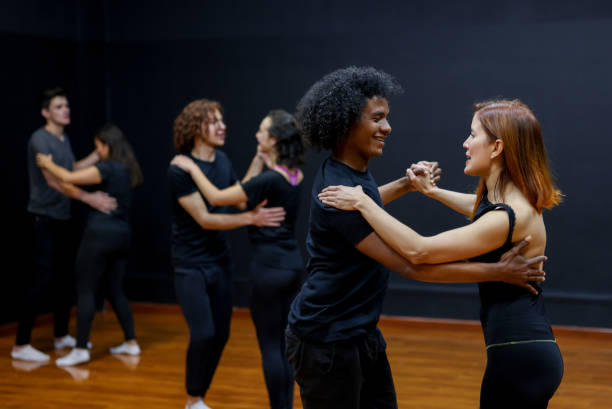
If you’re considering enrolling in acting school, there are several factors to keep in mind to ensure you make the most out of the experience. Pursuing acting is a significant commitment, and preparing yourself beforehand can set you up for success. Below are five key things every aspiring actor should know before taking this important step.
1. Acting School Requires Dedication and Hard Work
Acting is not merely about learning lines or emoting on stage; it’s a craft that demands continuous effort. Be prepared for:
– Long hours of practice: Classes, rehearsals, and assignments often extend beyond typical school hours.
– Physical and emotional challenges: Acting requires vulnerability, as many exercises push you to explore your emotions deeply.
– Ongoing improvement: You’ll constantly receive feedback that requires you to refine your skills.
2. It’s Not Just About Talent – Training Matters
While natural talent can be an advantage, training is essential to hone your craft. Acting school offers:
– Technical skills: Voice modulation, body language control, and stage presence are critical components taught in structured classes.
– Discipline: Following schedules and committing to assignments helps build habits that are crucial for professional success.
3. Networking Starts Early
Who you meet during your time at acting school may play a pivotal role in your future career. Build connections with:
– Peers: Your classmates could become collaborators or allies in the industry later on. – Instructors: Many instructors have industry experience and connections; treating them with respect can open doors. – Guest speakers/visiting professionals: Take every opportunity to connect with industry experts who may visit your school.
4. Rejection Is Part of the Journey
Acting involves auditions that don’t always result in success, even after rigorous preparation. Learning how to handle rejection early will help you maintain resilience throughout your career: – Accept feedback constructively. – Don’t take rejection personally—it’s often about casting needs rather than talent. – Focus on growing from each experience.
5. Prepare Financially and Mentally for the Commitment
Attending acting school is a significant investment of both time and money: | Aspect | Considerations | |——————-|————————————————| | Tuition Costs | Research various schools’ fees before enrolling. | | Living Expenses | If relocating, factor in housing, transportation, and daily expenses. | | Time Commitment | Classes often demand full-time engagement; part-time work may not always be feasible.|
Additionally: – Be prepared for emotional highs and lows as you progress through challenging coursework. – Practice self-care regularly to maintain balance during intense periods.
By understanding these aspects before starting acting school, you’ll position yourself for a more rewarding experience while avoiding unnecessary surprises along the way.
The Ultimate Guide to Acting Classes NYC: How to Immerse Yourself Fully
Attending acting school can be a transformative and challenging journey. To make the most of this experience, it’s vital to fully immerse yourself and embrace every opportunity for growth. Here are some strategies to ensure you gain the maximum value from your time in acting school.
Be Open-Minded and Willing to Learn in NYC Acting Classes
- Adopt a growth mindset: Understand that every exercise, no matter how unfamiliar or uncomfortable, contributes to your development.
- Be willing to fail: Growth often comes through mistakes. Embrace them as learning opportunities.
- Stay curious: Ask questions, seek feedback, and explore new techniques with enthusiasm.
Foster Connections at New York Acting Schools with Instructors and Peers
- Take advantage of one-on-one feedback sessions with instructors.
- Support your classmates in rehearsals by offering constructive feedback or simply being a generous scene partner.
- Network during class projects or informal gatherings; these connections may evolve into long-term professional opportunities.
Master Your Craft with an Acting Coach New York
- Consistent attendance: Missing classes disrupts both personal growth and group dynamics.
- Preparation: Always come prepared for rehearsals, performances, or scene studies—knowing your lines should be the bare minimum.
- Engage in self-study: Outside of class hours, read plays, watch films critically, or practice voice and movement exercises.
Explore Different Training Methods
- Experiment with techniques like Stanislavski’s system, Meisner technique, Method Acting, or physical approaches such as Viewpoints.
- Identify which methods resonate most deeply while remaining adaptable to others based on project requirements.
| Common Acting Techniques | Focus Area | Key Benefits |
| Stanislavski System | Emotional truth | Develops authentic character portrayals |
| Meisner Technique | Spontaneous reactions | Enhances listening & adaptability |
| Method Acting | Deep emotional connection | Encourages strong immersion in roles |
| Physical/Movement-Based | Body awareness & expression | Builds physicality for characters |
Practice Self-Care for Longevity
- Prioritize rest: Mental clarity improves when you’re well-rested.
- Maintain physical health through regular exercise or yoga sessions tailored for performers.
- Develop emotional resilience by journaling or seeking support (e.g., therapy) if needed.
By fully immersing yourself in these aspects of acting school life—curiosity, collaboration, commitment—you’ll not only hone technical skills but also build resilience essential for a demanding industry.
The Importance of Learning Both Theatre and On-Camera Acting Techniques
When pursuing a career in acting, understanding both theatre and on-camera techniques is a crucial aspect of becoming a well-rounded and versatile performer. Each medium offers unique challenges, demands, and skills that contribute to your growth as an actor. Let’s explore why mastering both disciplines is vital for your success.
The Fundamental Differences Between Theatre and On-Camera Acting
| Aspect | Theatre | On-Camera |
| Audience | Live audience with immediate reaction | Camera lens; no direct audience feedback |
| Performance Style | Larger-than-life expressions to reach the back row | Subtle emotions for intimate close-ups |
| Environment | Continuous performance in real-time | Scenes are filmed out of sequence |
These differences highlight the importance of tailoring your approach to fit each medium’s unique requirements.
Benefits of Training in Theatre Acting
- Strong Foundation in Fundamentals: Theatre training focuses on voice projection, body movement, and stage presence. These skills build confidence and discipline.
- Improvisation Skills: Performing live demands the ability to think on your feet, making you adept at handling unexpected situations.
- Understanding Storytelling: Theatre emphasizes the narrative arc, helping actors understand character development deeply across an entire production.
The knowledge gained through theatre acting creates the foundation necessary for performing with conviction across any platform.
Benefits of On-Camera Technique Training
- Mastering Subtlety: On-camera acting requires controlled movements, micro-expressions, and nuanced emotion delivery that connect with audiences without appearing exaggerated.
- Learning Technical Skills: Familiarity with working alongside lighting setups, camera angles, marks on set, and continuity ensures smoother collaborations in film or TV projects.
- Adapting Performance Styles: Since scenes are often filmed out of chronological order during production, honing emotional consistency becomes essential.
Training for the camera prepares actors to adapt quickly without sacrificing authenticity.
How Learning Both Techniques Enhances Your Career
- By excelling in theatre productions such as plays or musicals while simultaneously delivering compelling performances in films or series.
- Building versatility makes you marketable to directors seeking adaptable talent.
- Expanding expertise across mediums helps foster longevity throughout your career.
By prioritizing education that covers both mediums early in your training process, you’ll not only elevate your craft but position yourself as an indispensable asset within competitive industry landscapes.

Mastering Collaboration and Building Strong Relationships in the Acting World
Collaboration and relationship-building are essential skills for actors navigating the complex and competitive world of performing arts. Beyond talent and technical expertise, the ability to work effectively with others can significantly influence your opportunities, reputation, and growth as an actor. Here’s a deeper look into how you can master collaboration and foster meaningful relationships in your acting career.
Understanding Collaboration in Acting
- Enhances Performance: Working closely with others helps create authentic performances by fostering trust and emotional connection.
- Expands Creativity: Collaborating with diverse individuals introduces new perspectives that can elevate your craft.
- Builds Professionalism: Demonstrating a willingness to work well with others showcases professionalism that people remember.
How to Build Strong Relationships in the Acting World
- Show up prepared for rehearsals or shoots.
- Meet deadlines when memorizing scripts or completing tasks.
- Honor commitments consistently.
- Listen actively during discussions or feedback sessions.
- Be clear about your needs while remaining open to compromise.
- Treat directors, crew members, fellow performers, and everyone on set with equal respect.
- Acknowledge others’ contributions publicly when appropriate.
- Attend acting workshops or networking events to meet like-minded professionals.
- Focus on building genuine connections rather than transactional interactions.
- Volunteer for community theatre productions or smaller projects where you can practice working collaboratively without high-pressure expectations.
- Offer help when peers need assistance with their creative pursuits—it reinforces trust over time.
Collaboration Challenges in Acting (and How to Overcome Them)
| Challenge | Solution |
| Creative differences between castmates | Focus on shared goals (e.g., serving the story) rather than personal biases |
| Miscommunication | Hold regular check-ins; clarify roles early in the process |
| Conflicting work styles | Stay adaptable while respecting others’ methods |
Long-Term Benefits of Strong Relationships
- Stronger Reputation: A good collaborator earns a reputation as someone directors want to work with repeatedly.
- Increased Opportunities: Peers may recommend you for roles if they’ve had positive experiences collaborating with you.
- Support System: Building relationships fosters a community of support during challenging times in your acting journey.
Mastering collaboration not only sets you apart but also creates opportunities for personal growth while enriching every project you’re part of. By embracing teamwork as an integral element of your craft, you’ll set yourself up for enduring success within the acting world.
Mastering Collaboration and Building Strong Relationships in the Acting World
Collaboration and relationship-building are at the core of a successful acting career. The entertainment industry thrives on teamwork, which makes it essential for actors to develop strong interpersonal skills and cultivate meaningful connections. Here’s a guide to help you navigate this vital aspect of the acting world.
Why Collaboration Matters in Acting
Acting is rarely a solo endeavor. Whether you’re performing in a play, shooting a movie, or attending auditions, you’ll constantly interact with others. Collaboration allows creative energies to flow seamlessly, resulting in performances that feel cohesive and authentic.
Key reasons collaboration is critical include:
– Teamwork Enhances Storytelling: Every actor contributes to the overall narrative. Working together ensures the story comes alive on stage or screen. – Creative Synergy: Directors, writers, producers, and cast members can bring unique perspectives to a project. Open communication improves outcomes. – Smooth Workflow: A collaborative mindset reduces conflicts and improves efficiency during rehearsals or production schedules.
Tips for Building Strong Relationships
- Arrive prepared for rehearsals or sets.
- Respect others’ time by being punctual.
- Maintain an attitude that’s easygoing yet dependable.
- Listen actively when speaking with fellow actors or crew members.
- Ask questions about their experiences and share your own thoughtfully.
- Celebrate your achievements without arrogance.
- Be open to learning from others regardless of their level of experience.
- Volunteer help when someone seems overwhelmed during production or rehearsal.
- Share insights while remaining respectful of boundaries.
- Follow Up Professionally
After meeting someone in an audition or on set: - Send a quick thank-you email or message expressing gratitude for the collaboration.
- Keep connections alive without being overly persistent.
Collaborative Roles in Acting
| Role | How They Contribute | How You Can Build Rapport |
| Directors | Shape the vision of the project | Actively listen to feedback |
| Fellow Actors | Bring characters to life | Support each other during scenes |
| Crew Members | Handle lighting, sound, etc. | Acknowledge their hard work |
| Casting Agents | Match talent with roles | Be polite during auditions |
The Long-Term Benefits of Collaboration
Developing strong relationships doesn’t just make day-to-day work enjoyable; it also has lasting benefits for your career: – Referrals: A good impression may result in future opportunities through word-of-mouth recommendations. – Mentorship: Industry veterans often guide newcomers they trust and respect. – Support System: Acting can be challenging emotionally; having allies who understand helps tremendously.
By focusing on collaboration and relationship-building as part of your craft, you’ll not only improve your performance but also create a professional foundation that fosters long-term success in acting.
Embracing Criticism as a Tool for Growth and Improvement in Your Acting Career
Criticism is an inevitable part of any actor’s journey. Whether it comes from instructors, directors, or peers, learning to embrace feedback is essential for personal and professional growth. Viewing criticism as a tool rather than a setback can significantly enhance both your craft and your resilience in the competitive acting industry.
Why Criticism Matters
Criticism provides valuable insight into areas where growth is needed. It allows you to:
– Identify habits or tendencies that may hinder your performance.
– Gain perspective on how others perceive your work.
– Refine techniques to develop authenticity in your acting.
It’s important to remember that even seasoned actors continuously refine their skills based on constructive feedback.
Differentiating Between Constructive and Destructive Criticism
| Type of Feedback | Signs | How to Respond |
| Constructive Criticism | Specific, actionable advice focused on improvement. | Take notes, reflect, and implement changes gradually. |
| Destructive Criticism | Vague, overly critical, or dismissive remarks without context. | Focus on separating helpful elements from negativity while maintaining confidence. |
Understand that even poorly delivered criticism may contain useful elements if approached with an open mind.
Strategies for Embracing Criticism
- Adopt a Growth Mindset: See each critique as an opportunity to improve rather than as a reflection of failure.
- Listen Without Defensiveness: When receiving criticism, avoid justifying or explaining yourself immediately—this can close off opportunities for learning.
- Ask Questions: If feedback feels unclear, seek clarification by asking specific questions about areas for improvement.
- Practice Self-Reflection: Take time after receiving criticism to assess how it aligns with your goals and current skill level.
- Implement Feedback Gradually: Focus on applying small changes over time instead of overwhelming yourself with drastic adjustments.
Benefits of Learning from Criticism
Actors who embrace constructive criticism often see numerous benefits in their careers:
– Enhanced versatility across roles through targeted skill development. – Increased professionalism by showing adaptability during rehearsals or auditions. – Stronger relationships with directors and peers who value receptive performers willing to improve.
By integrating productive feedback into your routine, you set yourself up for long-term success both artistically and professionally.
Embracing criticism requires humility but also fosters confidence in honing your craft over time—a vital component of thriving in the acting world where continuous growth defines success.
- Starting Your Journey at the Best Acting Schools in New York
- Comparing Acting Schools in New York: Private Coaching vs. Group Classes for Aspiring Actors
- New York Acting Schools vs Acting Classes vs Workshops – A Comprehensive Guide to Choosing the Right Path
- 5 Things You Should Know About Acting Schools in New York
- What to Consider When Choosing the Right Acting Schools in New York or Professional Coach
- The Best NYC Acting Classes for Beginners to Build a Strong Foundation
- How to Get Started in Acting the Right Way with Acting Schools in New York
- The Ultimate Beginner’s Guide to New York Acting Schools: How to Prepare for Your First Acting Class
- Top Acting Schools in New York: Do You Need a Degree to Start Your Career?
What to Consider When Choosing the Right Acting Schools in New York or Professional Coach

Finding the right acting class or coach can be a pivotal step in developing your craft as an actor. Acting training is not one-size-fits-all, and selecting the best option requires careful thought and research. Below are key factors and questions to consider when making your decision.
Define Your Goals as an Actor
Before beginning your search, it’s important to assess where you are in your acting journey and what you want to achieve. Ask yourself:
– Are you a beginner looking for foundational skills?
– Do you need specialized training (e.g., voice work, movement, on-camera techniques)?
– Are you preparing for auditions or industry-specific roles?
Knowing your objectives will help narrow down your choices and focus on classes or coaches that align with your needs.
Research Potential Classes or Coaches
Conduct thorough research before making any commitments. This includes:
1. Checking Credentials: Look into the professional background of instructors or coaches. Have they worked in theater, film, television, or other relevant areas?
2. Reputation: Read reviews from former students online to get insight into their teaching methods and success rates.
3. Teaching Style: Determine whether their approach resonates with your learning style (e.g., Meisner Technique, Stanislavski Method).
Observe a Class (If Possible)
Many studios allow prospective students to observe a session before enrolling. Watching how instructors interact with students can provide valuable insight into their teaching methods and whether the environment feels supportive yet challenging.
Questions to ask when observing:
– Does the instructor give constructive feedback?
– Are students actively engaged in exercises or performances?
– Is there a balance between individual attention and group instruction?
Factors That Matter When Choosing an Acting Class
| Factor | Questions to Ask | Why It Matters |
| Class Size | How many students are in each session? | Smaller classes often mean personalized feedback. |
| Cost | Is the tuition within your budget? Are there hidden fees? | Ensures long-term affordability without compromising quality. |
| Location | Is the studio conveniently located for regular attendance? | Reduces barriers like long commutes that might impact consistency. |
| Type of Training Offered | Does it include scene study, improv, script analysis? | Matches what you’re looking for based on skills you’d like to develop. |
Avoid Red Flags
Not all acting programs are created equal—watch out for warning signs like these:
– Promises of guaranteed fame or major auditions immediately after training. – Lack of transparency about qualifications. – Overcrowded classrooms where individualized coaching is impossible. – A curriculum that focuses too heavily on theory without practical application.
Understand Your Learning Style
Some actors thrive under structured programs with detailed lesson plans, while others prefer more fluid, exploratory approaches focused on creativity in real-time scenarios. Reflect on how you learn best before committing.
Seek Recommendations from Trusted Sources
Reach out to working actors, directors, or casting professionals who may know reputable coaches or studios in your area. Networking within industry circles can lead you toward opportunities that aren’t widely advertised.
Choosing the right acting coach or class is an investment in both time and money but also plays a significant role in shaping your career trajectory as an actor. By conducting thorough research and understanding what aligns with your goals and learning preferences, you’ll be better equipped to make an informed decision that sets you up for success.
How to Choose the Best Acting Classes NYC Has to Offer
Choosing the right acting coach or studio is a critical step in shaping your career as an actor. With so many options available, it’s important to evaluate your choices carefully to ensure that they align with your goals, learning style, and budget. Below are guidelines and tips designed to help you make an informed decision.
Define Your Goals and Needs for NYC Acting Classes
- Are you looking to improve specific skills (e.g., voice work, improvisation, on-camera presence)?
- Are you preparing for auditions or seeking general training?
- Do you prefer group classes or one-on-one coaching?
- What is your skill level—beginner, intermediate, or advanced?
Defining these goals will help narrow down your options and focus on programs tailored to meet your unique needs.
Exploring Credentials and Expertise at New York Acting Schools
- Professional Experience: Does the coach have relevant experience in theater, film, television, or other mediums?
- Education: Have they trained at reputable institutions or studied under well-known mentors?
- Student Success: Are testimonials available from previous students who have gone on to achieve measurable success?
This information can provide valuable insight into whether a coach’s methods and experience align with what you’re seeking.
Evaluate Teaching Methods with an Acting Coach New York Offers
- What teaching methods does the coach use?
- Are their classes structured with exercises, scene work, or improvisation?
- Does their approach resonate with how you learn best?
It’s always helpful to observe a class before committing if possible.
1. Class Size and Dynamics
| Class Size | Pros | Cons |
| Small (5–8 students) | Personalized attention; more opportunities for feedback | Limited networking opportunities |
| Medium (10–15 students) | Balanced interaction amongst peers | Possible limited individual attention |
| Large (20+ students) | Great for networking; diverse perspectives | Less personalized guidance |
Assess what environment makes you feel most comfortable while ensuring adequate opportunities for individual growth.
2. Budget Considerations
- Frequency of classes
- Additional costs (e.g., headshots required for workshops)
- Long-term commitment versus shorter workshops
Remember that higher cost doesn’t always equate to better quality. Value should be assessed relative to what fits your goals.
3. Location Flexibility
In-Person Classes
Pros: – Hands-on feedback – Opportunities for building local connections Cons: – Limited by geographic location
Online Classes
Pros: – Flexible scheduling
– Access instructors outside physical proximity
Cons : instructor-feedback-limit real-time

How to Effectively Apply Every Acting Note You Receive in Your Journey
In the world of acting, feedback—commonly referred to as “acting notes”—is essential for growth. However, receiving notes is only part of the journey; effectively applying them is what sets a great actor apart. Below are key strategies to ensure you make the most of every note you receive in your acting journey.
1. Listen Actively and Without Defensiveness
When receiving feedback, it’s crucial to remain open-minded and approach the note with a willingness to learn.
– Avoid interrupting or justifying your choices while the feedback is being given.
– Take a moment to truly digest what’s being said before responding or asking questions. – Assume that every note is meant to help you improve rather than criticize you personally.
2. Clarify the Note If Needed
Not all acting notes will be immediately clear, especially if they involve nuanced emotional adjustments or subtle technical changes. Asking for clarification can help bridge any gaps in understanding.
– Politely ask follow-up questions if something feels vague or ambiguous:
Example: “Could you elaborate on how I can bring more vulnerability into that moment?”
– Paraphrase the note back to ensure you’ve interpreted it correctly.
3. Break Down Notes Into Actionable Steps
Feedback can sometimes feel overwhelming, especially when multiple notes are given at once. To avoid this, break them down into manageable actions:
– Focus on one specific change at a time (e.g., adjusting posture, refining tone).
– Create tangible goals based on the coach’s input (e.g., “Explore softer vocal modulation during emotional scenes”).
| Type of Note | Suggested Action | Example |
| Emotional adjustment | Reflect on personal experiences for authenticity | Bring deeper empathy into a character’s breakdown |
| Blocking or stage movement | Practice transitions with precision | Smoothly transition from seated to standing position |
| Vocal projection | Work on diaphragm control | Project lines clearly during monologues |
4. Rehearse with Intention
- Dedicate time after sessions specifically for incorporating new techniques or approaches.
- Use repetition as a tool—perform scenes multiple times while focusing solely on implementing one particular note.
- Record yourself if possible and analyze whether your adjustments align with expectations.
5. Stay Flexible and Experiment
- Try different interpretations of the same note until one resonates most authentically with your performance.
- Use improvisation exercises related to specific notes as a way of deepening your understanding.
6. Track Your Progress Over Time
| Date | Feedback Received | Application Method | Observed Improvement |
| Oct 15 | Add more physicality during high-energy scenes | Practiced exaggerating movements in mirror sessions. | Felt more dynamic responses from scene partner |
| Oct 22 | Slow down pacing during monologues | Focused intentionally breathing between phrases. | Stronger audience engagement reported by coach |
Referring back frequently helps gauge progress while also offering motivation.
Final Thoughts
Applying acting notes effectively is an ongoing process that demands patience and persistence but produces immense growth over time when done well
Essential Tips for Finding the Perfect Acting Class and Instructor
Choosing the right acting class and instructor can be a transformative step in your acting journey. With many options available, narrowing down the best fit requires careful consideration. Below are essential tips to help you find the perfect match for your goals, skill level, and personality.
Understand Your Goals as an Actor
- Voice work
- Emotional range
- Physicality or movement on stage
- Audition techniques
- Film and television acting
- Theater performance
- Improvisation or comedy
Knowing these details will help refine your search for a program or instructor that caters to your needs.
Research Potential Classes and Instructors
- Experience: Look into their professional background. Do they have industry experience in your preferred area of acting? Successful actors-turned-coaches or seasoned directors often bring valuable insight.
- Teaching Style: Identify how they approach coaching. Some instructors focus on script analysis while others prioritize improvisation or physicality training.
- Reputation: Read reviews from former students. Positive feedback about their teaching methods or results is a strong indicator of their credibility.
Quick Tip:
To evaluate legitimacy, see if they’ve trained actors who have achieved success professionally.
Attend Trial Classes or Watch Sessions
- Are lessons structured?
- Is constructive feedback provided regularly?
- Are students actively participating?
- Does the instructor create an encouraging atmosphere?
- Class Size: Smaller groups allow for individualized attention; larger groups might limit personal feedback.
Evaluate Class Logistics
| Factor | Questions to Ask | Example Considerations |
| Location | Is the studio conveniently located? | Proximity to home/work reduces travel time |
| Schedule | Do class timings suit you? | Evening vs weekend classes |
| Cost | Is it within budget? | Compare pricing with other studios |
Make sure logistical aspects do not become barriers that prevent consistent attendance.
Decide on Group vs Private Coaching
- Group Classes
Pros: Interaction with peers encourages collaboration and builds networking opportunities. Cons: Limited individual attention during sessions. - Private Coaching Pros: Tailored instruction focused solely on you. Cons: Often more expensive than group alternatives.
Choose based on what supports both learning style AND affordability best long-term!
Essential Tips for Finding the Perfect Acting Class and Instructor
Selecting the right acting class or instructor can significantly impact your development as an actor. With so many options available, it’s essential to evaluate your needs and consider several key factors to find the perfect match. Below are actionable tips designed to guide you through this process.
Assess Your Goals
- Are you focusing on a specific type of acting? (e.g., film, theater, voiceover)
Understanding what you’re aiming for will help narrow down your choices and ensure you’re choosing a class that aligns with your aspirations.
Research Potential Classes and Instructors
- What is their professional background?
- Do they have relevant industry experience in the type of acting you’re pursuing?
- Have they trained other successful actors?
- What is the student-to-instructor ratio? Smaller groups may allow more personalized feedback.
- Is the curriculum structured toward practical exercises, scene studies, or improvisation work?
- Are classes offered at beginner, intermediate, and advanced levels?
- Read reviews from past students online. Focus on detailed feedback rather than general scores.
- Ask peers in the industry for recommendations. Networking often leads to valuable insights about hidden gems in the training community.
Factors of Cost vs Value
| Factor | Questions to Ask |
| Tuition/Fees | Is it within your budget without overextending yourself financially? |
| Materials Provided | Are scripts or resources included in the fee structure? |
| Value Delivered | Does the class provide ample time for practice/feedback or access to industry opportunities like showcases? |
Remember that a higher cost doesn’t always guarantee better quality instruction.
Attend Trial Classes When Possible
- The instructor’s teaching style – does it resonate with you?
- The atmosphere – do students seem engaged and comfortable?
- The practical value – are exercises relevant and effective?
This hands-on assessment can be invaluable in deciding whether a particular class meets your needs.
Look for Personal Compatibility
- Does the instructor communicate clearly while offering constructive criticism?
- Do they foster a supportive environment where mistakes are seen as learning opportunities?
- Do you feel inspired by their energy and passion for teaching?
Your comfort level with an instructor can directly influence how much you gain from sessions.
By carefully evaluating these aspects — from clarifying goals to researching instructors — you’ll be well-equipped to select an acting class that ensures personal growth while enriching your journey as an actor.
- Starting Your Journey at the Best Acting Schools in New York
- Comparing Acting Schools in New York: Private Coaching vs. Group Classes for Aspiring Actors
- New York Acting Schools vs Acting Classes vs Workshops – A Comprehensive Guide to Choosing the Right Path
- 5 Things You Should Know About Acting Schools in New York
- What to Consider When Choosing the Right Acting Schools in New York or Professional Coach
- The Best NYC Acting Classes for Beginners to Build a Strong Foundation
- How to Get Started in Acting the Right Way with Acting Schools in New York
- The Ultimate Beginner’s Guide to New York Acting Schools: How to Prepare for Your First Acting Class
- Top Acting Schools in New York: Do You Need a Degree to Start Your Career?
The Best NYC Acting Classes for Beginners to Build a Strong Foundation

For any aspiring actor, stepping into the world of acting can be both exciting and daunting. Building a strong foundation is essential for longevity and success in this craft. The cornerstone of this journey involves selecting the right acting classes that cater to beginners. Below, we explore the types of acting classes beginners should consider taking to establish their skills effectively.
1. Introduction to Acting: Understanding the Basics
Beginner actors should start with introductory courses that focus on fundamental concepts. These classes are designed to provide essential tools and expose students to the basics of performance art.
Key topics covered may include:
– Stage presence: Learning how to carry yourself confidently on stage or in front of a camera.
– Relaxation techniques: Developing methods for managing nerves and staying grounded during performances.
– Basic script analysis: Understanding character objectives, subtext, and story structure.
2. Improvisation Classes: Building Creativity
Improvisation (or “improv”) classes are an excellent way for beginner actors to develop spontaneity, creativity, and adaptability—essential qualities for any performer.
Benefits of improv training:
– Enhances quick thinking and problem-solving abilities.
– Improves active listening skills by requiring actors to respond naturally in unscripted situations. – Builds confidence through playful exploration in collaborative settings.
3. Voice and Speech Training: Finding Your Unique Voice
A well-trained voice is one of an actor’s most valuable tools. For beginners, voice and speech training focuses on vocal projection, clarity, control, and emotional expression.
A typical voice class may include exercises such as:
| Exercise Type | Goal | Example Activity |
|————————|————————————————-|—————————————|
| Breath Control | Enhancing vocal stamina | Diaphragmatic breathing drills |
| Articulation Practice | Improving clarity | Tongue twisters (e.g., “red leather”) |
| Emotional Range | Exploring diverse vocal tones | Reading aloud with varied emotions |
4. Scene Study Classes: Applying Fundamentals to Performance
Scene study introduces beginners to the collaborative process of performing scenes from plays or scripts alongside other actors. This type of class is critical for learning how to bring characters to life within specific contexts.
What you can expect from scene study classes:
– Workshopping scenes under instructor guidance while receiving constructive feedback. – Exploring character relationships and dynamics through partner work. – Applying theoretical knowledge (like script analysis) into practical performance scenarios.
5. Movement Training: Mastering Physical Expression
Movement training teaches actors how their body serves as an expressive instrument in storytelling. Physical awareness is crucial for conveying emotions authentically without relying solely on dialogue.
Popular movement techniques taught include: – Alexander Technique: Focuses on releasing tension for more natural movements. – Laban Movement Analysis: Explores dynamic expressions using weight, space, time, and flow.
These techniques build physical confidence while preventing strain or injury during prolonged performances.
By exploring these foundational classes—ranging from improvisation exercises to scene studies—beginner actors can cultivate a diverse skill set needed for success in various mediums such as theater or film production
Discovering Realism: The Journey of the Authentically Embodied Actor at New York Acting Schools
In the world of acting, achieving realism is one of the most vital components for creating compelling performances. An authentically embodied actor connects deeply with their character, allowing audiences to resonate with their portrayal. For beginner actors, this journey toward authenticity requires self-awareness, dedication to craft, and an understanding of techniques that bring characters to life in a genuine manner.
What Does It Mean to Be an Authentically Embodied Actor?
- Fully inhabiting the emotional landscape of a character.
- Being mentally and physically present in every scene.
- Responding organically to stimuli from other actors or the environment.
- Creating a seamless blend between personal truth and fictional circumstances.
When actors commit to the nuances of their roles through authentic embodiment, they are able to deliver performances that feel raw and truthful.
Steps Toward Realism for Beginner Actors
- Practice mindfulness techniques like meditation or journaling to understand your own emotional triggers.
- Reflect on past experiences that evoke similar feelings as your character’s journey.
- Stay curious about human behavior and observe others in daily life.
- Study body language and how emotions manifest physically (e.g., slouched posture signaling sadness).
- Experiment with movement exercises such as Laban Movement Analysis or Alexander Technique.
- Dive into your script: What drives your character? What fears and desires shape them?
- Build backstories to give depth to each role you undertake. What was your character’s life like before page one of the script?
- Engage in improvisation exercises that force you into the moment rather than pre-planned reactions.
- Work on active listening during rehearsals so you respond naturally rather than relying solely on rehearsed delivery.
Acting Techniques That Support Authenticity
| Technique | Key Focus | Benefits for Beginners |
| Stanislavski System | Emotional memory; truthful connection | Helps actors draw from personal experiences |
| Meisner Technique | Repetition; organic response | Develops spontaneity and sharpens listening skills |
| Method Acting | Immersion into character | Encourages deep emotional dives |
| Uta Hagen’s Exercises | Living “in the moment”; substitution | Builds connections between personal emotions and roles |
By exploring these techniques under skilled instructors or workshops, beginner actors can discover which resonates most with their strengths while building confidence in their craft.
Challenges Along the Path
- Overthinking performance: Authenticity demands letting go of self-consciousness.
- Drawing boundaries: While emotional immersion is key, it’s important not to lose oneself entirely in a role.
- Fear of vulnerability: Genuinely connecting with characters often reveals personal vulnerabilities, which can feel intimidating at first.
However, by addressing these challenges head-on through practice and support systems (e.g., acting mentors), beginners develop resilience alongside skill.
An authentically embodied actor brings depth, nuance, and humanity to their work—transforming scripts into vivid stories that captivate audiences. With consistent effort focused on emotional truthfulness, physical awareness, active listening, and technical study, aspiring performers can embark on this meaningful journey toward realism successfully.
Discover the Best Acting Coach New York Offers for Realism and Authenticity
For an actor, the journey toward creating authentic and emotionally resonant performances begins with understanding how to fully embody a character. This process, often referred to as “embodied acting,” goes far beyond simply reciting lines—it involves a deep connection between the actor’s body, mind, and emotions. Below is an exploration of what it means to be an authentically embodied actor and how beginners can start their journey toward realism.
What Does Embodied Acting Mean?
Embodied acting refers to the ability of an actor to fully inhabit their character by engaging physically, emotionally, and psychologically with the role. It emphasizes genuine presence on stage or on screen, allowing performances to feel natural and unforced. For this reason, it’s foundational for actors who want to deliver realistic portrayals.
Key aspects of embodied acting include: – Physical awareness: Understanding how your body moves and reacts under different emotional states. – Emotional accessibility: Developing techniques for accessing emotions quickly and authentically. – Mind-body connection: Creating synergy between thought processes and physical actions that reflect those thoughts. – Character alignment: Merging your own experiences with the imagined life of your character while maintaining believability.
Steps Toward Authentic Embodiment
As a beginner actor, cultivating these skills can feel daunting. However, there are structured techniques you can use to grow into an embodied performer.
- Practice movement exercises such as yoga or Alexander Technique.
- Engage in body scanning meditations that help you pinpoint tension.
- Experiment with neutral masks (commonly used in actor training) to focus solely on physical expression.
- Use Stanislavski’s “emotional memory” technique by recalling personal experiences that resonate with your character’s emotions.
- Journaling from your character’s perspective can help bridge personal connections with fictional circumstances.
- Controlled breathing not only aids in relaxation but also allows actors to modulate their emotional expressions effectively.
- Techniques like diaphragmatic breathing are particularly useful for maintaining composure during intense scenes.
- Improv classes train actors to respond spontaneously while remaining grounded in their characters’ reality.
- Focus on listening deeply and reacting truthfully rather than planning ahead.
Tools for Developing Realism
| Tool/Technique | Purpose |
| Mirror Exercises | Helps observe facial expressions and micro-movements |
| Voice Work | Develops dynamic vocal range for dialogue delivery |
| Scene Analysis | Deepens understanding of character motivations |
| Partner Exercises | Promotes authentic listening and responding |
Challenges Along the Way
Actors often face obstacles when attempting to achieve full embodiment: – Overthinking or self-consciousness disrupts organic reactions. – Fear of vulnerability may prevent deep emotional connections. – A lack of trust in the process hinders risk-taking necessary for realism.
Addressing these challenges takes time but often requires embracing discomfort as part of growth. Working consistently with experienced coaches or mentors can make a significant difference.
Why Realism Matters
Realistic performances humanize stories by reflecting genuine human behavior. Audiences connect most deeply when they see characters they believe could exist outside the performance space. As such, mastering embodiment is essential for any aspiring actor who wants their work to resonate meaningfully.
By focusing on authenticity through physicality, emotion, and presence, beginner actors take critical first steps toward becoming storytellers audiences remember long after the curtain falls or credits roll.

How Beginner Actors Should Approach Acting Classes NYC to Master the Art and Craft of Acting
Approaching the art and craft of acting as a beginner can feel overwhelming, but with the right mindset and techniques, it becomes an exciting journey. Acting requires a balance of creativity, discipline, and self-awareness. Below are key strategies to help beginner actors navigate this process effectively.
Understand Acting as Both an Art and a Craft
To truly embrace acting, beginners must understand that it is both an art form and a craft.
– Art: Acting is deeply personal and creative. It involves expressing emotions, making artistic choices, and connecting with audiences on an emotional level.
– Craft: On the other hand, acting also involves technical skills like voice modulation, body language control, and memorization techniques that must be practiced consistently to refine your performance.
By valuing both aspects equally, beginners can build a well-rounded foundation.
Develop a Growth Mindset
Acting is not about perfection; it’s about progress. Beginners should embrace learning opportunities by focusing on growth rather than fearing mistakes. Approach every experience—whether it’s rehearsals or auditions—as a chance to develop new skills or refine existing ones.
Key practices for cultivating a growth mindset in acting:
– Accept constructive feedback from instructors or peers without defensiveness.
– Push yourself out of your comfort zone with challenging roles or exercises.
– Celebrate small victories like mastering complex monologues or improving vocal projection over time.
Focus on Building Core Skills
| Skill | Description |
| Voice Training | Learn breath control, articulation, pitch variation, and projection techniques for clear dialogue delivery. |
| Body Awareness | Use movement exercises like yoga or Alexander Technique to improve physical presence on stage or screen. |
| Improvisation | Practice thinking quickly during improvised scenes to cultivate spontaneity in performances. |
| Script Analysis | Study scripts critically by identifying subtext, character motivations, relationships between characters, etc., to bring depth into your performances. |
These core areas serve as the building blocks for more advanced acting techniques later in your career.
Practice Emotional Truthfulness
- Tap into personal experiences to connect emotionally with characters (while maintaining healthy boundaries).
- Develop empathy by understanding different perspectives outside your own lived experience.
- Study human behavior by observing how people express emotions nonverbally through subtle gestures or facial expressions.
By grounding performances in emotional truth rather than simply mimicking emotions superficially, you’ll create genuine connections with audiences.
Take Ownership of Your Development
While classes are valuable resources for learning new skills under expert guidance:
1. Dedicate time outside class sessions toward independent practice (e.g., rehearsing monologues).
2. Watch diverse films/theatrical productions across genres/styles closely analyzing professional actors’ methods. 3.Connect regularly w/acting communities locally/online fostering collaborations/network insights helpful audition prep
How Beginner Actors Should Approach the Art and Craft of Acting
Acting is an art form that demands both creative expression and disciplined craftsmanship. For beginner actors, navigating the intricacies of this craft can feel overwhelming, but a thoughtful and strategic approach can make all the difference. Below, we explore practical steps and techniques to help new actors build a solid foundation in their journey toward mastering the art of acting.
Understand Acting as Both Art and Craft
- Appreciate storytelling: Understand that your role serves a greater narrative. Learn how your character contributes to the larger story.
- Study human behavior: Develop an acute awareness of emotions, gestures, and social dynamics.
- Embrace discipline: Dedicate time to regular practice, memorization, and experimentation.
Build Emotional Awareness
- Practice mindfulness: Engage in exercises like meditation or breathwork to stay present during scenes.
- Expand your emotional vocabulary: Journal or reflect on personal experiences to identify nuanced emotions.
- Explore vulnerability: Start small by performing monologues or improvisational exercises that challenge you emotionally.
Focus on Physicality
Acting is as much about movement as it is about speech or emotion. A well-rounded actor connects fully with their body to express character traits effectively.
- Enroll in classes like movement therapy or Alexander Technique for body awareness.
- Study posture, gait, and gestures commonly associated with different characters.
- Practice exercises like neutral mask work to erase personal habits and embody a new persona more convincingly.
| Physical Skills for Actors | Benefits |
| Movement-based classes | Improves ease of movement |
| Breath control techniques | Enhances vocal projection |
| Neutral mask training | Builds character adaptability |
Develop Strong Listening Skills
Beginner actors often focus too much on delivering lines rather than reacting authentically within a scene. True acting happens in response to what other characters are doing or saying.
- Train yourself in active listening, where you focus entirely on your scene partner’s words and actions without pre-planning your response.
- Engage in Meisner Technique exercises designed to foster natural reactions based purely on impulse.
Commit to Lifelong Learning
The world of acting is ever-evolving; there’s always something new to learn regardless of experience level.
- Read classic works by Stanislavski (“An Actor Prepares”) or Uta Hagen (“Respect for Acting”).
- Watch performances by respected stage and screen actors—observe how they convey emotion through subtle choices.
- Take workshops focusing on specialized skills such as dialects, stage combat, or musical theater when applicable.
A beginner’s approach should be one rooted in curiosity, patience, and continuous refinement—a balance between understanding theory while embracing hands-on experience. By focusing on both artful exploration and deliberate skill-building practices early on, aspiring actors can set themselves up for meaningful growth throughout their careers.
Beginner Actors: Exploring Acting Schools in New York for On-Camera, Audition Technique, and Scene Study Classes
For those new to acting, deciding which advanced classes to take after foundational training can feel overwhelming. On-camera, audition technique, and scene study classes serve distinct purposes in shaping a beginner actor’s skill set. Each offers unique insights and benefits that are essential for growth. Here is a detailed overview of what these classes entail and when they become most relevant in an actor’s journey.
On-Camera Classes: Navigating the World of Film and Television
Purpose:
On-camera classes are designed to familiarize actors with the technicalities of performing for film or television. Acting for the screen requires precision and subtlety that differs significantly from stage performances. These classes help actors adapt their craft to the camera’s unique demands.
Key Skills Learned:
– Understanding Frame & Blocking: Learn how to position yourself within the camera frame without breaking character.
– Facial Nuance & Subtlety: Develop micro-expressions that translate effectively on camera.
– Working With Marks: Practice hitting marks consistently while staying engaged in the scene.
– Adjusting For Close-ups vs. Wide Shots: Modify performance intensity depending on shot size.
When to Take This Class:
Beginner actors should consider on-camera classes after gaining some foundational acting experience in areas such as improvisation or scene work. It’s particularly crucial if you plan to audition for commercials, TV roles, or films early in your career.
Audition Technique Classes: Standing Out in Competitive Casting Calls
Purpose:
Auditioning is arguably one of the most critical skills an actor must master. Audition technique classes prepare performers to deliver their best possible work under high-stress conditions and leave a lasting impression during casting calls.
What You’ll Learn Here:
– Making Strong Choices Quickly: How to break down sides (scripts provided during auditions) efficiently to make bold character decisions.
– Cold Reading Techniques: Sharpening skills needed when handed an unfamiliar script moments before performing it. – Managing Nerves & Confidence Building: Tools for staying grounded during auditions. – Understanding Casting Expectations: Insights into what casting directors look for based on performance style, professionalism, and adaptability.
When This Class Is Most Useful:
Actors should take audition technique courses once they begin actively pursuing auditions or submitting their materials for roles. The strategies learned will help them navigate competitive environments with confidence.
Scene Study Classes: Refining Your Craft Through Collaboration
Purpose:
Scene study classes focus on deepening your understanding of character development, relationship dynamics, and script analysis through partnered exercises with fellow actors. These sessions provide valuable opportunities for hands-on learning.
Core Benefits Include: 1. Improved Memorization Techniques: Gain tools to memorize lines efficiently while maintaining emotional connection. 2. Deeper Script Analysis Skills: Break down scenes layer by layer—exploring subtext, objectives, and stakes. 3. Partner Interaction Practice: Collaborate with peers to create truthful relationships between characters. 4. Experimentation Space Without Pressure: Test out new approaches in a supportive environment tailored toward feedback rather than judgment.
| Scene Study Focus Area | Benefits |
| Character Objectives | Understand goals driving behavior |
| Emotional Connection | Explore vulnerability safely |
| Physicality | Match physical presence with dialogue |
Timing Matters:
Scene study is ideal once an actor has developed basic improvisation abilities or has completed entry-level acting courses specializing in voice work or movement training.
Integrating These Classes Into Your Training Journey
To maximize growth as a beginner actor: 1. Begin with general acting foundations (voice/movement training).
2. Progress into scene study once you grasp basic tools like emotional authenticity and listening skills. 3. Add audition technique as soon as you start seeking roles professionally. 4. Finally, incorporate on-camera training if pursuing work specifically in film/TV/commercials.
Each class serves as both a stepping stone toward mastery and a toolkit for navigating this competitive industry effectively.
When and Why Beginner Actors Should Take On-Camera, Audition Technique, or Scene Study Classes
For actors just starting their journey, understanding when to take specialized classes like on-camera training, audition techniques, or scene study is crucial. These classes serve as essential tools to refine your craft and prepare for the professional demands of the industry. Below is a breakdown of these specialized classes, their purpose, and how they can elevate a beginner actor’s skills.
On-Camera Acting Classes
On-camera acting classes are designed specifically to teach actors how to perform for the camera—a medium that requires subtlety and precision compared to stage acting.
When to Take On-Camera Acting Classes:
– After gaining foundational training in acting techniques (e.g., Meisner, Stanislavski).
– When you’ve decided to pursue film or television work as a primary goal.
– Before attending auditions where you’ll be recorded on camera.
Why They’re Important:
1. Camera Awareness: Learn how framing (close-ups, medium shots) impacts performance nuances.
2. Continuity Skills: Understand how physical actions should remain consistent across takes during filming. 3. Subtlety in Performance: Develop micro-expressions that resonate on screen but may not translate well in stage performances.
Audition Technique Classes
Auditions are often an actor’s gateway to getting hired. Without proper preparation and strategy, even talented actors may struggle in this high-pressure environment. Audition technique classes focus on equipping actors with tools specifically for nailing auditions.
When to Take Audition Technique Classes:
– Once you start actively seeking roles through agents or casting platforms. – After you’ve developed core acting skills but feel nervous or unprepared during auditions.
Why They’re Important:
1. Cold Reading Skills: Improve your ability to read and perform unfamiliar scripts with little preparation time. 2. Understanding Casting Expectations: Learn what casting directors look for beyond just talent—such as professionalism and adaptability. 3. Monologue Development: Craft compelling monologues suited for different types of auditions (comedy vs drama).
Scene Study Classes
Scene study focuses on breaking down scripts and working collaboratively with scene partners, which helps actors refine their ability to inhabit characters fully.
When to Take Scene Study Classes:
– After mastering introductory acting techniques like improvisation or character building. – When preparing for roles requiring deep emotional connection or complex relationships between characters.
Why They’re Important:
1. Script Analysis Skills: Understand subtext, character motivation, and relationships within scenes. 2. Collaboration Practice: Learn how to connect authentically with scene partners while maintaining creative integrity. 3. Improved Emotional Range: Experiment with portraying various emotions organically within the context of a script.
| Class Type | Best Time To Start | Key Benefits |
| On-Camera Acting | Post-foundation training | Subtlety in performance; camera skills |
| Audition Techniques | Before pursuing active roles | Cold reading; casting insights |
| Scene Study | After core techniques mastered | Script analysis; emotional depth |
How These Classes Work Together
- Start with scene study classes for foundational script analysis and character exploration.
- Transition into audition technique classes once you’re ready to seek roles professionally.
- Incorporate on-camera training once auditions begin focusing heavily on film/TV opportunities.
Taking these specialized courses at the right moments ensures a steady progression toward becoming a versatile actor prepared for any opportunity that comes your way.
- Starting Your Journey at the Best Acting Schools in New York
- Comparing Acting Schools in New York: Private Coaching vs. Group Classes for Aspiring Actors
- New York Acting Schools vs Acting Classes vs Workshops – A Comprehensive Guide to Choosing the Right Path
- 5 Things You Should Know About Acting Schools in New York
- What to Consider When Choosing the Right Acting Schools in New York or Professional Coach
- The Best NYC Acting Classes for Beginners to Build a Strong Foundation
- How to Get Started in Acting the Right Way with Acting Schools in New York
- The Ultimate Beginner’s Guide to New York Acting Schools: How to Prepare for Your First Acting Class
- Top Acting Schools in New York: Do You Need a Degree to Start Your Career?